
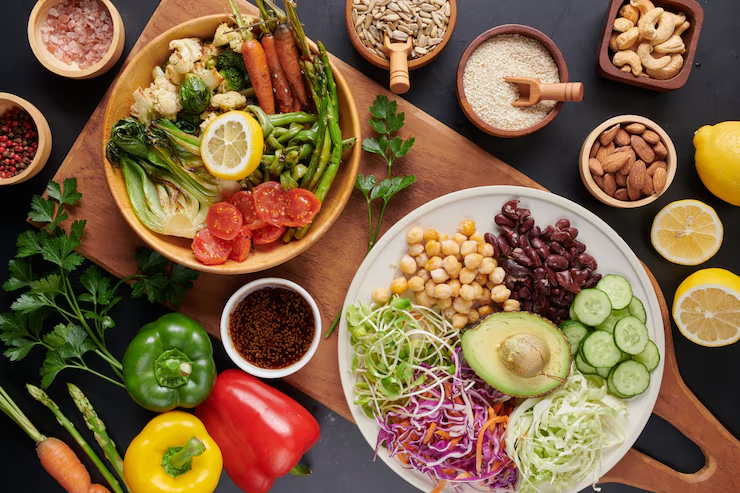
Natural foods to increase sperm count play an essential role in supporting male fertility and overall reproductive health. Although often overlooked, male reproductive health significantly affects a couple’s ability to conceive. Two key indicators—sperm quality and sperm quantity—largely determine male fertility, and both are strongly influenced by daily lifestyle and diet.
Many men are unaware that the foods they consume can directly impact sperm production, motility, and morphology. By adopting a nutrient-rich diet, men can naturally improve sperm health and enhance fertility potential.This article explores eight natural foods scientifically proven to boost sperm count and quality, along with lifestyle factors that affect male reproductive health.

Why Is Sperm Quality Important for Male Fertility?
Sperm quality is a critical factor in successful fertilization and pregnancy. Healthy sperm increases the likelihood of reaching and fertilizing the egg. Several parameters are used to assess sperm quality:
Sperm Count: The number of sperm present in semen; higher counts increase the chances of fertilization.
Sperm Motility: The ability of sperm to swim efficiently toward the egg.
Sperm Morphology: Proper shape and structure that allow sperm to penetrate the egg.
Poor sperm quality in any of these areas can reduce fertility and increase the time required to achieve pregnancy.
Common Causes of Low Sperm Count
1. Unhealthy Lifestyle Habits
Smoking, excessive alcohol consumption, obesity, and recreational drug use (including marijuana) can damage sperm DNA and disrupt testosterone production, leading to reduced sperm count and motility.
2. Environmental Factors
Exposure to toxins such as pesticides, heavy metals, and industrial chemicals can impair sperm production. Excessive heat around the testicles—caused by frequent hot baths, saunas, or placing laptops on the lap—can also reduce sperm output.
3. Medical Conditions
Conditions such as varicocele (enlarged scrotal veins), reproductive tract infections, hormonal imbalances, and genetic disorders like Klinefelter syndrome may interfere with sperm production.
4. Medication Side Effects
Certain medications, including chemotherapy drugs, anabolic steroids, antidepressants, and blood pressure medications, can cause oligospermia (low sperm count) as a side effect.
5. Psychological Stress
Chronic stress disrupts hormone regulation essential for spermatogenesis (sperm production), leading to reduced sperm count and quality.
6. Poor Nutrition
Deficiencies in key nutrients—such as zinc, folic acid, and antioxidants—can negatively affect sperm production. Diets high in saturated fats and low in fruits and vegetables are particularly harmful to sperm health.
8 Natural Foods to Increase Sperm Count and Quality
1. Zinc-Rich Foods
Zinc is vital for testosterone production and sperm development. Studies published in Reproductive Biology and Endocrinology show that zinc deficiency is associated with poor sperm quality.
Best sources: Red meat, legumes, seeds, nuts, and dairy products.
2. Folic Acid (Vitamin B9)
Folic acid supports DNA synthesis and cell division. Research in Human Reproduction indicates that adequate folic acid levels are linked to improved sperm quality.
Best sources: Leafy green vegetables, citrus fruits, legumes, and whole grains.
3. Vitamin C
Vitamin C is a powerful antioxidant that protects sperm from oxidative stress. According to the Journal of Medicinal Food, vitamin C improves sperm count and motility.
Best sources: Oranges, strawberries, kiwi, bell peppers, and broccoli.
4. Vitamin E
Vitamin E helps protect sperm cell membranes from damage. A study in Fertility and Sterility found that vitamin E improves sperm motility.
Best sources: Almonds, sunflower seeds, spinach, and broccoli.
5. Omega-3 Fatty Acids
Omega-3 fatty acids improve sperm structure and movement. Research in the Journal of Nutrition shows that omega-3 intake boosts sperm count and motility.
Best sources: Salmon, sardines, flaxseeds, chia seeds, and walnuts.
6. Lycopene
Lycopene is a strong antioxidant that reduces oxidative stress in sperm. Studies published in the Asian Journal of Andrology suggest lycopene improves sperm quality.
Best sources: Tomatoes, watermelon, pink grapefruit, and papaya.
7. Vitamin D
Vitamin D plays a role in hormone regulation and sperm production. According to the Journal of Clinical Endocrinology & Metabolism, men with sufficient vitamin D levels have better sperm quality.
Best sources: Sun exposure, fatty fish, egg yolks, and beef liver.
8. Coenzyme Q10 (CoQ10)
CoQ10 supports cellular energy production and acts as an antioxidant. Research in the Journal of Urology indicates that CoQ10 improves sperm motility.
Best sources: Red meat, fish, and nuts.
Healthy Lifestyle Habits to Support Sperm Health
In addition to consuming sperm-boosting foods, adopting healthy lifestyle habits is essential:
- Quit smoking to prevent sperm DNA damage
- Limit alcohol intake to maintain healthy testosterone levels
- Manage stress through relaxation techniques and adequate sleep
- Exercise regularly to support hormonal balance
- Avoid environmental toxins whenever possible
Conclusion
Sperm health is a vital component of male fertility and can be significantly improved through proper nutrition and healthy lifestyle choices. Natural foods rich in zinc, folic acid, vitamins C and E, omega-3 fatty acids, lycopene, vitamin D, and CoQ10 have been scientifically shown to enhance sperm count, motility, and overall quality.
By consistently consuming sperm-boosting foods and maintaining a healthy lifestyle, men can naturally improve fertility and increase the chances of successful conception. However, before making major dietary or lifestyle changes, it is always recommended to consult a healthcare provider or fertility specialist.
For personalized consultations regarding male reproductive health, fertility programs, or infertility treatment, you can visit Morula IVF Indonesia. With over 26 years of experience, Morula IVF is a leading fertility clinic offering comprehensive and professional reproductive care. Visit the official Morula IVF website or contact the clinic directly to schedule a consultation.

porntude
February 15, 2026A really good blog and me back again.
333985
March 5, 2026每天都在战争,希望2026和平.
porntude
April 6, 2026wish you all the best